
Commercial electrical services
Electrical infrastructure for business premises
Offices, retail, hospitality and commercial units — where the electrical scope has to work around trading, tenants, agents, other trades and a programme that is already committed.
- Offices
- Retail
- Hospitality
- Fit-out
- Maintenance
Sectors & scope
Twelve areas commercial enquiries usually fall into
Commercial electrical requirements are shaped as much by who is asking and why as by the installation itself.
- CS-01
Offices
Small power, floor boxes, desk positions, lighting and controls, comms-room supplies and alterations during occupation.
- CS-02
Shops & retail
Shopfront and display lighting, till and counter power, stockroom circuits and work scheduled around trading hours.
- CS-03
Hospitality
Front-of-house lighting, back-of-house power, catering equipment connections and staged work around service periods.
- CS-04
Commercial units
Light industrial units, workshops, storage and mixed-use premises with equipment-driven electrical requirements.
- CS-05
Landlords
Common parts, void units, tenant interfaces, inspection and testing enquiries and identified remedial work.
- CS-06
Property managers
Managed portfolios, reactive enquiries, planned electrical work and documentation for building records.
- CS-07
Commercial refurbishment
Strip-out, alterations, new distribution arrangements and reinstatement within a wider refurbishment programme.
- CS-08
Electrical fit-outs
Containment, distribution, small power, lighting, controls and final connections through the fit-out sequence.
- CS-09
Power requirements
Supplies for plant, machinery, catering, IT and specialist equipment, based on the installation data provided.
- CS-10
Lighting
General, task and display lighting, control zoning and efficient lighting upgrade enquiries.
- CS-11
Maintenance enquiries
Reactive electrical issues, accessory and fitting replacement, minor alterations and planned attendance enquiries.
- CS-12
Contractor coordination
Working to a main contractor programme and attending for defined electrical stages within a wider project.
Assessment
What determines commercial electrical scope
Commercial electrical support depends on the premises, existing infrastructure, operational requirements, access restrictions, proposed loads, business hours, project programme, product availability, testing requirements, and agreed scope.
In practice, the constraint is rarely the electrical work itself. It is the combination of operating pattern, access and the interests of everyone else with a stake in the building.
- Existing distribution and sub-distribution arrangement
- Landlord, agent and lease-related requirements
- Shared services, risers and common parts
- Equipment being installed and its electrical data
- Programme dependencies with other trades
- Documentation expected for building records
Business continuity considerations
Keeping premises usable while work happens
Commercial work is planned around continuity. These four considerations are established before a programme is agreed — they are planning inputs, not service guarantees.
- BC-1
Trading hours
When work can realistically take place, and whether out-of-hours or phased attendance is required.
- BC-2
Isolation planning
Which circuits and equipment must remain energised, and what a planned isolation would actually affect.
- BC-3
Phasing
Breaking work into stages so areas can be released back into use rather than closed for the duration.
- BC-4
Access windows
Agreed windows for areas that are shared, secured, tenanted or only available at certain times.
Commercial power layer
Electrical work that has to fit around a running business
Commercial premises rarely stop trading for electrical work. Scope, access, isolation and programme are set around how the building actually operates.
- CM-01
Offices
Desk and floor-box power, lighting and lighting controls, meeting-room requirements, comms-room supplies and changes during occupation.
- CM-02
Retail
Display and shopfront lighting, till and counter power, stockroom circuits and electrical changes around trading hours.
- CM-03
Hospitality
Front-of-house lighting atmosphere, back-of-house power, catering equipment connections and staged works around service times.
- CM-04
Landlords & managing agents
Common parts, void units, tenant fit-out interfaces, inspection and testing enquiries, and identified remedial work.
- CM-05
Commercial units
Industrial and light-industrial units, workshops, storage and mixed-use premises with equipment-led power requirements.
- CM-06
Refurbishment
Strip-out, electrical alterations, new distribution arrangements and reinstatement within a wider refurbishment programme.
- CM-07
Fit-out
Electrical stages within a fit-out: containment, distribution, small power, lighting, controls and final connections.
- CM-08
Lighting
General, task and display lighting, lighting controls and zoning, and efficient lighting upgrade enquiries.
- CM-09
Maintenance enquiries
Reactive electrical issues, accessory and fitting replacement, minor alterations and planned attendance enquiries.
- CM-10
Contractor coordination
Working to a main contractor programme, sequencing with other trades, and attending for defined electrical stages.
- CM-11
Inspection & testing requirements
Inspection and testing enquiries for commercial premises, and documentation expected by agents, tenants or building files.
Commercial electrical support depends on the premises, existing infrastructure, operational requirements, access restrictions, proposed loads, business hours, project programme, product availability, testing requirements and agreed scope.
Hospitality & retail
Lighting that has to perform commercially
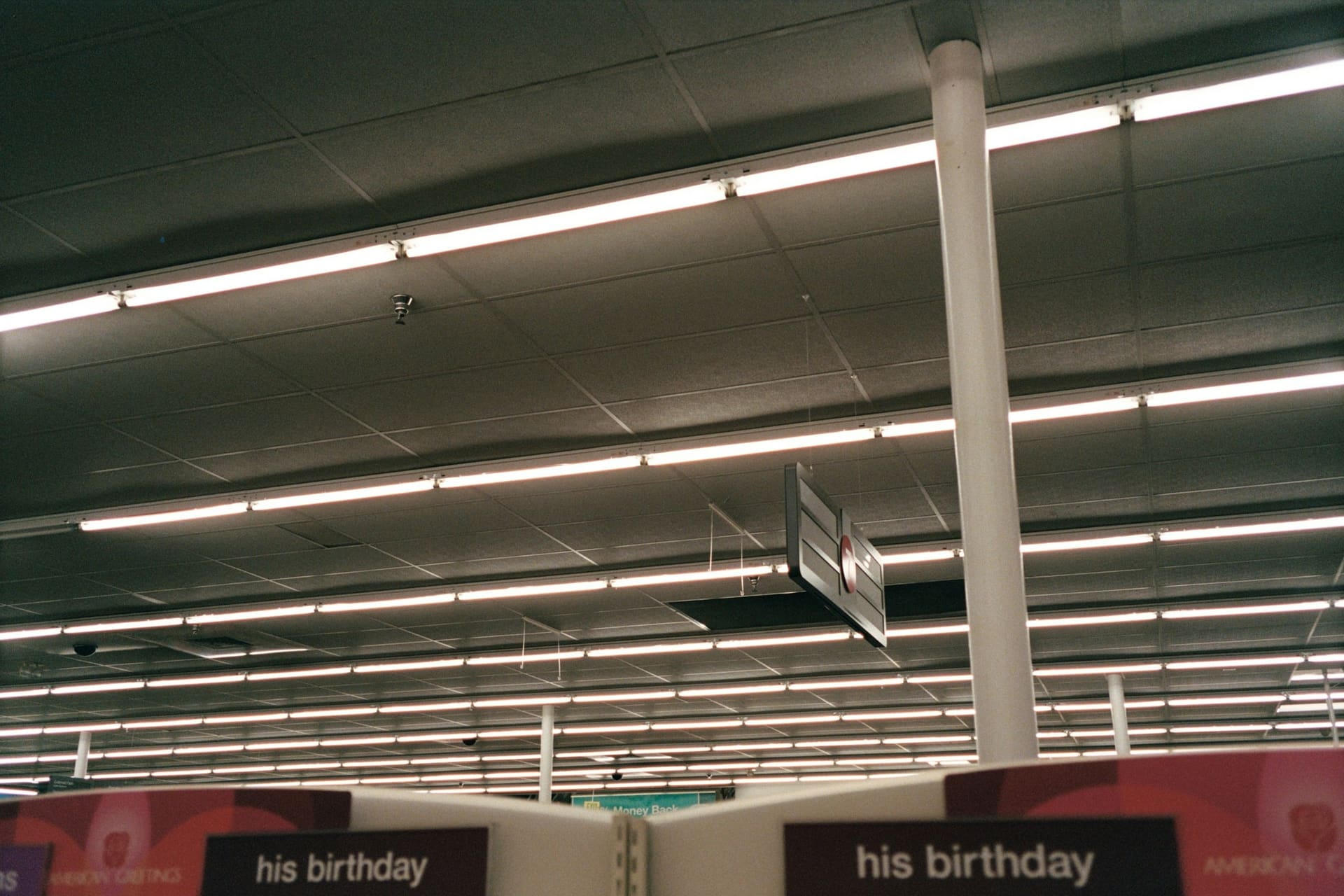
In retail and hospitality, lighting is part of how the space sells. Levels, positions, colour and control all affect how products and interiors read, and they interact directly with the circuits and controls already installed.
Lighting recommendations depend on space use, installation condition, existing circuits, desired light levels, fitting compatibility, controls, access, product availability and agreed design requirements.
Lighting & controls
Electrical enquiry
Planning commercial electrical work?
Tell us about the premises, the requirement, operating hours, access arrangements and the programme the work needs to fit.