
Fault finding & repairs
Electrical faults located through investigation
Tripping, loss of power, socket and lighting faults and intermittent issues, worked through in a defined order — inspection, testing, diagnosis, options, retest.
- Tripping
- Power loss
- Intermittent faults
- Testing
- Repair options
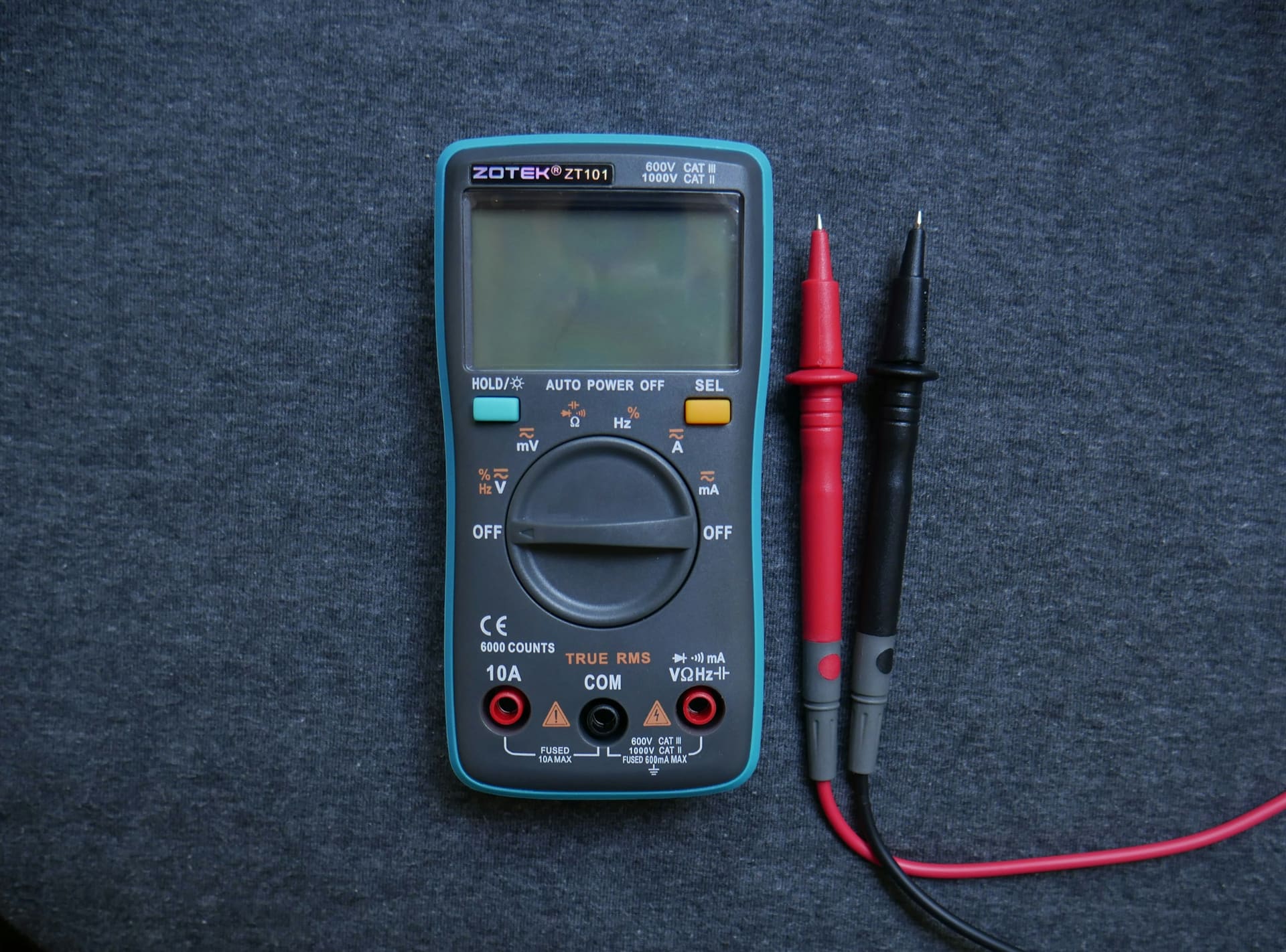
Symptoms & scope
What fault enquiries usually involve
A fault is a symptom until it has been investigated. These are the symptoms enquiries most often start from.
- S-01
Tripping
A protective device operating repeatedly, on one circuit or across several, immediately or after a period of use.
- S-02
Loss of power
Sockets, lighting or equipment without supply, either in one area of the property or more widely.
- S-03
Socket faults
Accessories that no longer work, work intermittently, feel loose, or show signs of heat or damage.
- S-04
Lighting faults
Fittings that fail early, flicker, do not dim correctly, or operate inconsistently with their switching.
- S-05
Intermittent issues
Faults that appear only sometimes — often the hardest to locate, and the most dependent on good symptom detail.
- S-06
Circuit issues
Problems affecting a whole circuit rather than a single accessory, including circuits that behave unpredictably.
- S-07
Failed accessories
Switches, sockets, fittings, controls and connected equipment that have stopped operating correctly.
- S-08
Investigation
Structured examination of the affected circuits and equipment, rather than replacing parts and hoping.
- S-09
Testing
Appropriate testing to narrow a symptom down toward a location, a cause or a set of possibilities.
- S-10
Repair options
What can be done, what each option involves, and what falls outside the scope of the current attendance.
Fault finding pathway
Faults are investigated, not guessed
Electrical faults are worked through in a defined order. Each step narrows the possibilities; none of them promise an outcome in advance.
- F1
Symptom
What is actually happening, where, how often, and what was being used at the time. Intermittent faults depend heavily on this detail.
- F2
Isolation / safety
Establishing safe conditions before investigation, identifying what must remain energised, and confirming who is on site.
- F3
Inspection
Visual examination of the affected circuits, accessories, equipment and distribution arrangement.
- F4
Testing
Appropriate testing to narrow the fault down from a symptom to a location or a set of possibilities.
- F5
Diagnosis
What the findings indicate, what remains uncertain, and what further investigation would be required if the picture is incomplete.
- F6
Repair options
Available routes forward, what each involves, and what is outside the scope of the current attendance.
- F7
Retest
Verification after any remedial work, with results recorded and any remaining observations noted.
Fault diagnosis depends on the electrical installation, access, symptoms, wiring condition, equipment, testing findings and agreed investigative scope.
Diagnosis
Why fault finding is scoped as investigation
Fault diagnosis depends on the electrical installation, access, symptoms, wiring condition, equipment, testing findings, and agreed investigative scope.
Some faults are located quickly. Others are intermittent, buried in inaccessible wiring, or caused by connected equipment rather than the installation. Fault finding is therefore agreed as investigative work with a defined scope, rather than sold as a guaranteed fix.
- Investigation is scoped and agreed before attendance
- Findings may identify more than the original symptom
- Some causes require access that is not immediately available
- Repair options are presented rather than assumed
- Remedial work is quoted separately where appropriate
- Retesting follows any remedial work carried out
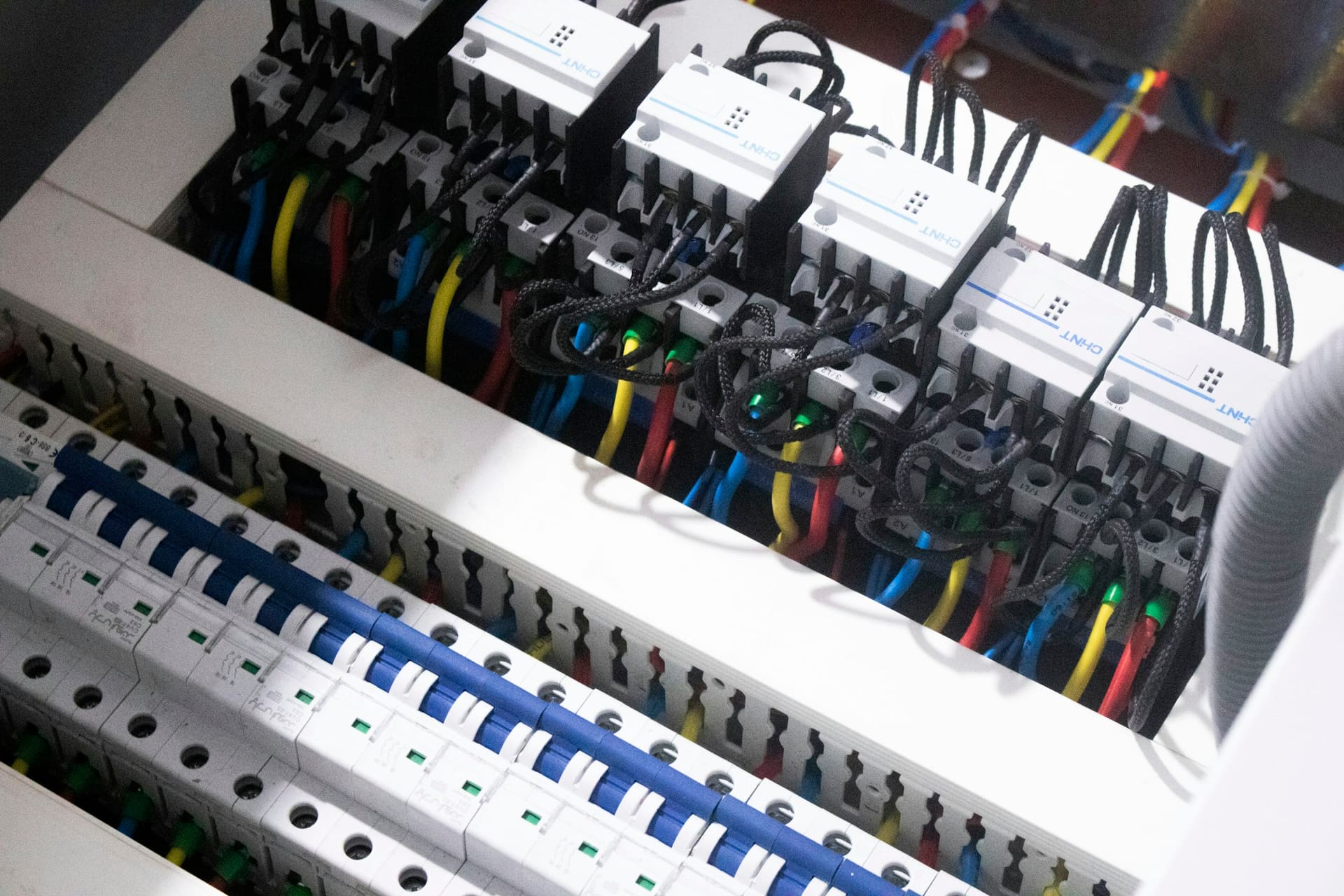
Helpful detail
What to include in a fault enquiry
Good symptom detail meaningfully shortens investigation, particularly for intermittent faults.
- H1
What happens, and when
The exact symptom, how often it occurs, and whether anything predictably triggers it.
- H2
What is affected
Which rooms, circuits, accessories or equipment are involved, and which are unaffected.
- H3
What changed
Any recent work, new equipment, water ingress, building work or weather events before the fault started.
- H4
What you have observed
Anything noticed at the consumer unit, at an accessory, or with connected equipment.
Electrical enquiry
Reporting an electrical fault?
Describe the symptom, what is affected, when it started and anything that changed beforehand. Please do not attempt to investigate fixed wiring yourself.