
Domestic electrical services
Electrical work for homes, landlords and residential projects
Lighting, sockets, circuits, consumer units, upgrades and faults — assessed against the property and the installation already in place rather than priced from a description.
- Homeowners
- Landlords
- Renovation
- Lighting
- Fault finding
Scope
What domestic electrical work usually covers
Domestic enquiries rarely arrive as a single item. Most sit somewhere across these twelve areas, and often across several at once.
- DS-01
General domestic electrical work
Everyday electrical work in houses, flats, bungalows and maisonettes — from single accessories through to sets of related circuits.
- DS-02
Home renovations
Electrical stages within renovation work, planned around the build sequence, other trades and the finishes going in afterwards.
- DS-03
Landlords
Rental property enquiries, work between tenancies, items identified in reports, and documentation for letting purposes.
- DS-04
Lighting
Additional lighting points, replacement fittings, switching changes, external lighting and lighting to newly created spaces.
- DS-05
Sockets & switches
Additional sockets, relocated accessories, spurs, USB accessories, and accessory replacement in occupied rooms.
- DS-06
Additional circuits
New circuits for kitchens, showers, garden rooms, home offices, outbuildings and dedicated appliance supplies.
- DS-07
Consumer units
Consumer unit enquiries, available ways, protective device arrangements and distribution changes where appropriate.
- DS-08
Electrical upgrades
Improvements to existing arrangements where the installation, the proposed use and the assessment support it.
- DS-09
Faults
Tripping, loss of power, intermittent issues and failed accessories investigated through inspection and testing.
- DS-10
Exterior electrical enquiries
Garden power and lighting, external sockets, security lighting positions and supplies to outbuildings.
- DS-11
Testing enquiries
Inspection and testing questions for homes and rental property, and what an inspection would involve for that property.
- DS-12
Property improvements
Electrical work forming part of wider improvement plans — extensions, loft conversions, kitchens and garden buildings.
Assessment
What determines the work in a home
Domestic electrical work depends on the existing installation, wiring condition, access, proposed equipment, testing findings, property requirements, safety considerations, materials, and agreed scope.
Two identical-sounding requests in two neighbouring houses can produce very different work. Cable routes, wiring condition, distribution arrangement, floor construction and decoration all change what is practical.
- Age and condition of the existing wiring
- Distribution arrangement and available ways
- Floor, wall and ceiling construction affecting routes
- Occupancy and rooms that must stay usable
- Decoration and making-good expectations
- Equipment being connected and who supplies it
Domestic electrical route
Where electrical work usually happens in a home
From the consumer unit outwards — the areas homeowners, landlords and residential projects most often ask about, and what each one involves.
- D1
Lighting
Room lighting, additional lighting points, replacement fittings, switching changes and two-way or multi-point switching arrangements.
- D2
Sockets & power
Additional sockets, relocated accessories, spurs, dedicated appliance circuits and power for home offices, garden rooms and loft spaces.
- D3
Consumer unit
Consumer unit enquiries, distribution arrangement, available ways, protective devices and circuit labelling.
- D4
Kitchen
Appliance supplies, worktop and island power, under-cabinet lighting, extraction and cooker connections as part of kitchen work.
- D5
Exterior
External lighting, garden power, security lighting positions and supplies where the property and installation allow.
- D6
Outbuildings
Garages, garden rooms, workshops and studios — supply arrangement, routing and the equipment intended to be connected.
- D7
Renovation & extension
First-fix and second-fix electrical stages within building work, coordinated around other trades and the build programme.
- D8
Landlord requirements
Inspection and testing enquiries, identified remedial work and documentation for rental property purposes.
- D9
Fault finding
Tripping, loss of power, intermittent faults and failed accessories — investigated rather than assumed.
Distribution
Where the consumer unit fits into domestic work
Almost every domestic enquiry touches the consumer unit in some way, even when the board itself is not the subject of the work. New circuits need a way; altered circuits need reviewing; faults are frequently first noticed there.
Whether the board needs any change at all is established through assessment. It is not assumed, and it is not something that can be answered from a photograph or a description.
Consumer units & power upgrades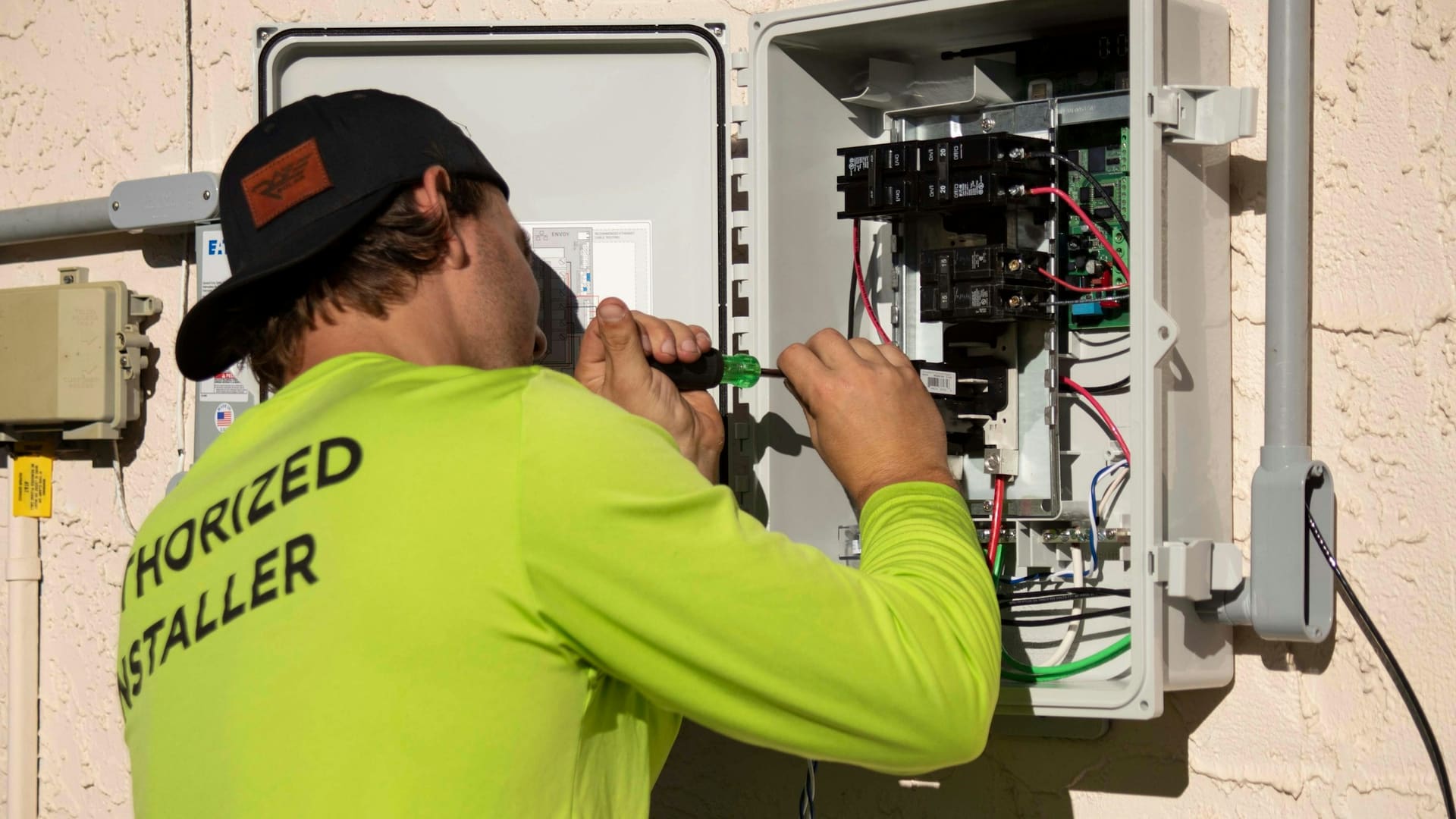
Before you enquire
What is confirmed individually
Every domestic enquiry is scoped on its own facts. These notes set out where the boundaries sit.
Electrical enquiry
Planning domestic electrical work?
Tell us about the property, the requirement, anything already known about the installation and when you would like the work to happen.