
Lighting & controls
Light levels, positions and control as one decision
Lighting is where electrical work becomes visible. It is approached as a set of decisions about levels, positions, fittings and control — not as a straight fitting swap.
- Interior
- Exterior
- Retail
- Office
- Controls
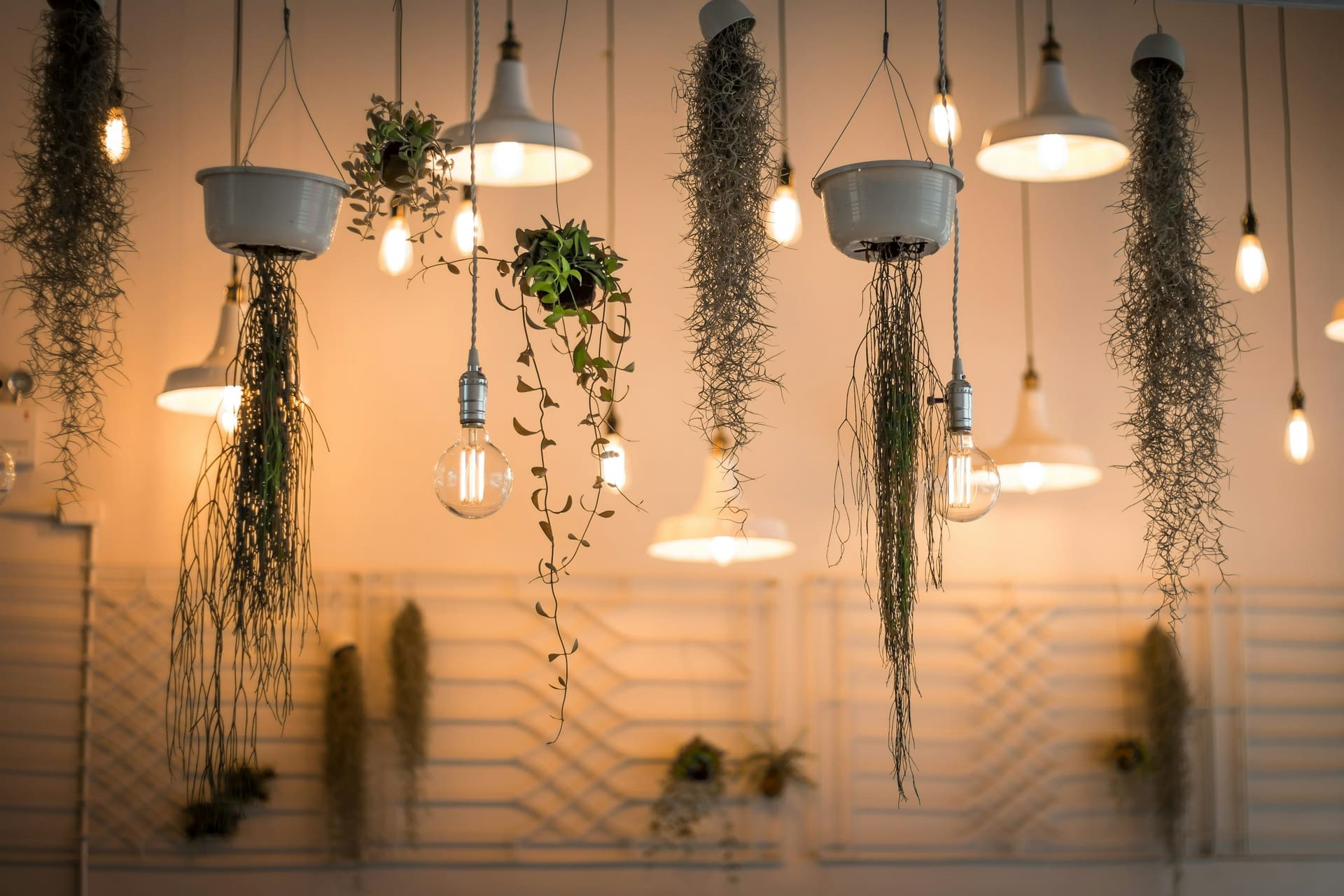
Lighting types
Eleven lighting requirements, one method
Whether the enquiry is a single room or a whole floorplate, the same questions determine what is possible.
- L-01
Residential lighting
Room-by-room lighting, additional points, replacement fittings and lighting to newly created or converted spaces.
- L-02
Commercial lighting
General area lighting across offices, retail, hospitality and commercial units, with appropriate control zoning.
- L-03
Office lighting
Workspace lighting, meeting-room lighting, circulation areas and lighting adjusted around desk layouts.
- L-04
Retail lighting
Shopfront, display and merchandise lighting where light level and position affect how products present.
- L-05
Feature lighting
Lighting to architectural detail, alcoves, joinery, stairs and surfaces intended to be emphasised.
- L-06
Task lighting
Focused lighting for worktops, desks, preparation areas, workshops and back-of-house tasks.
- L-07
External lighting
Entrances, elevations, access routes, car parks, yards and landscape lighting where the installation allows.
- L-08
Security lighting
Positions, coverage and switching arrangements for lighting intended to support property security.
- L-09
Efficient lighting
Fitting and control changes considered around light levels, compatibility and the existing lighting circuits.
- L-10
Switching
Switch positions, two-way and multi-point arrangements and controls placed where they are actually used.
- L-11
Controls
Dimming, zoning, scene control, presence and daylight-linked control enquiries, subject to compatibility.
Lighting & controls
Light levels, switching and controls treated as a design decision
Lighting changes how a space reads and how it is used. It is approached as a set of decisions about levels, positions and control — not as a fitting swap.
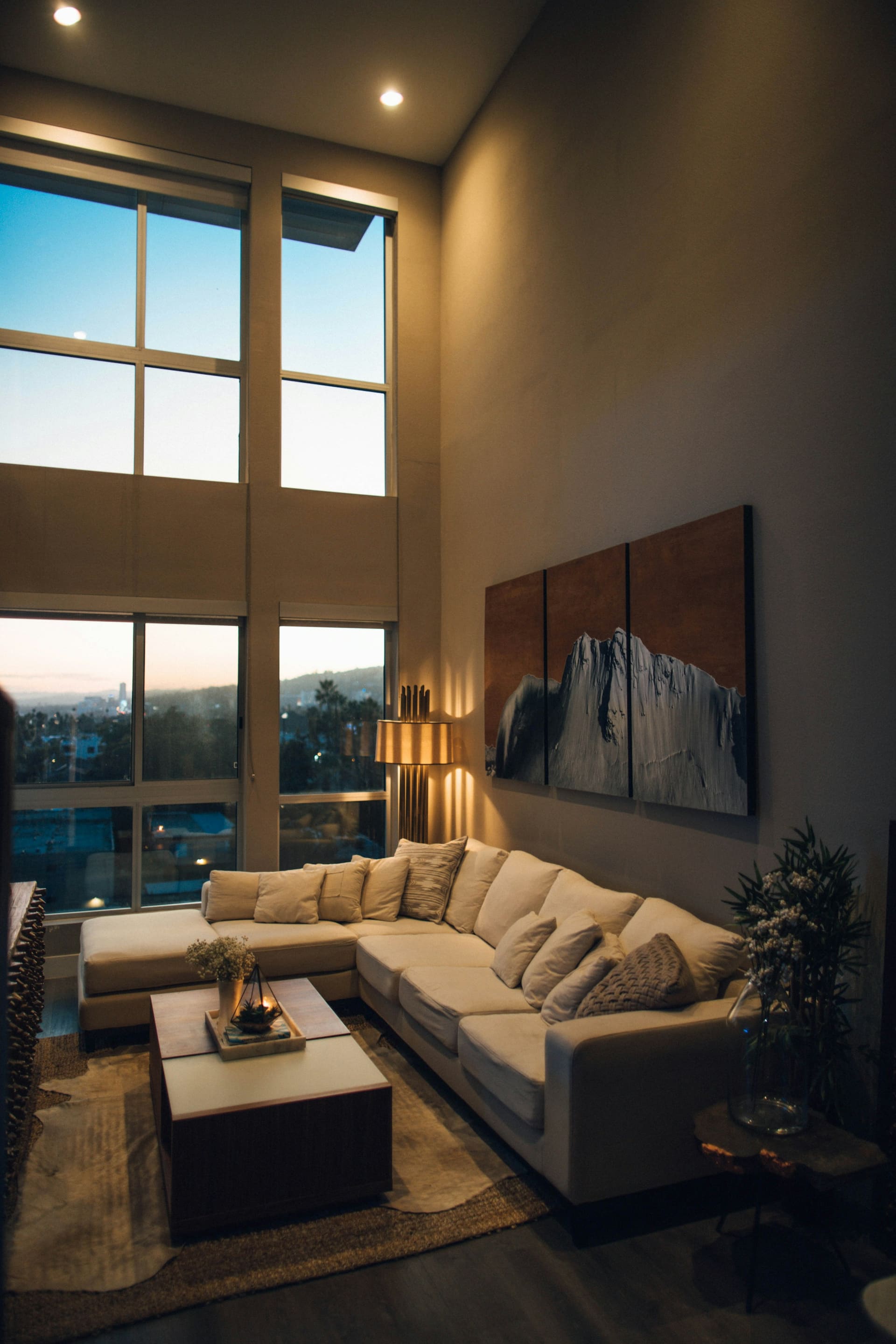
Interior
- Internal lighting throughout residential and commercial spaces
- Task lighting for kitchens, worktops, desks and back of house
- Feature lighting for architectural detail and display
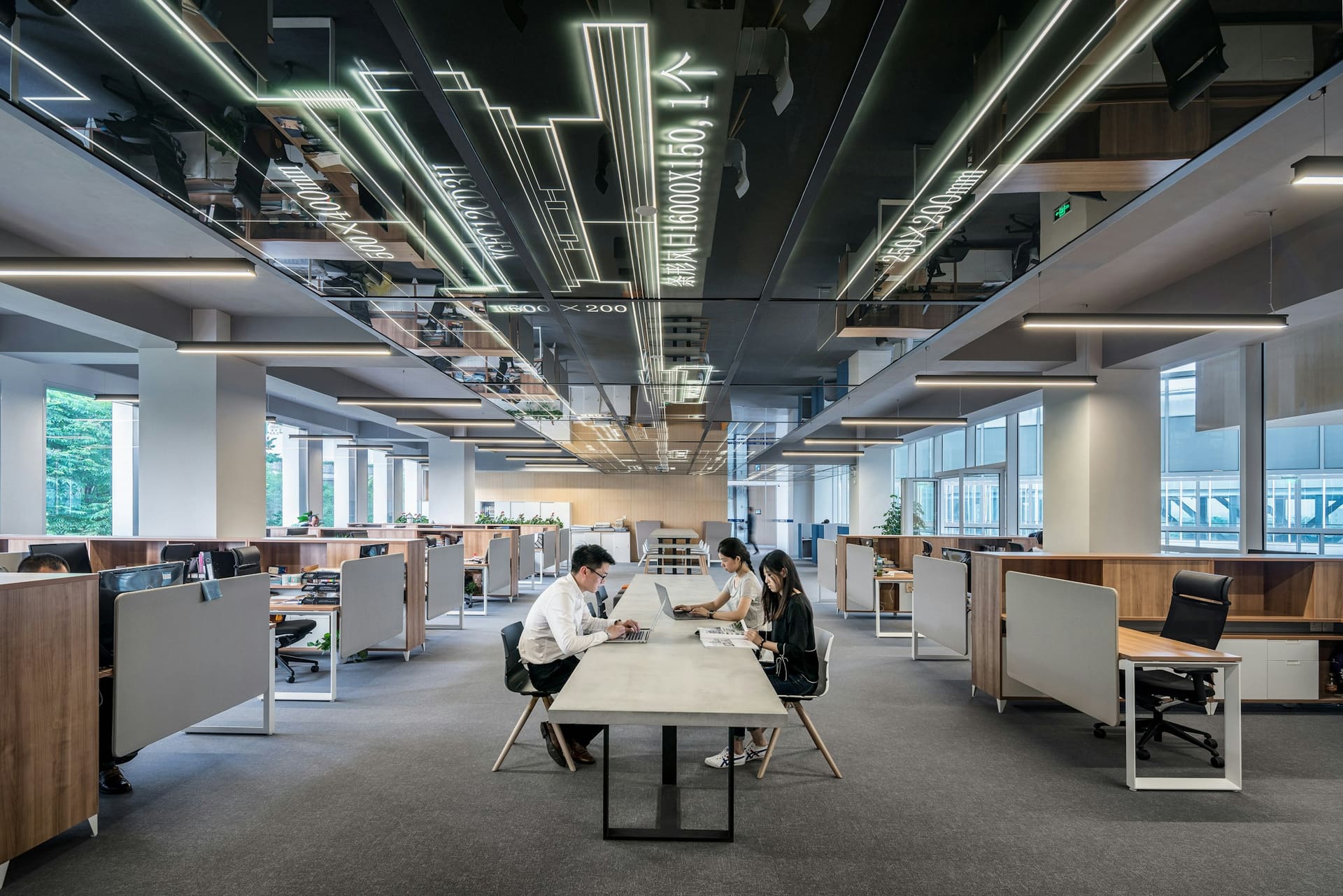
- Office lighting and lighting to meeting and circulation areas
- Retail lighting to shopfronts, displays and merchandise
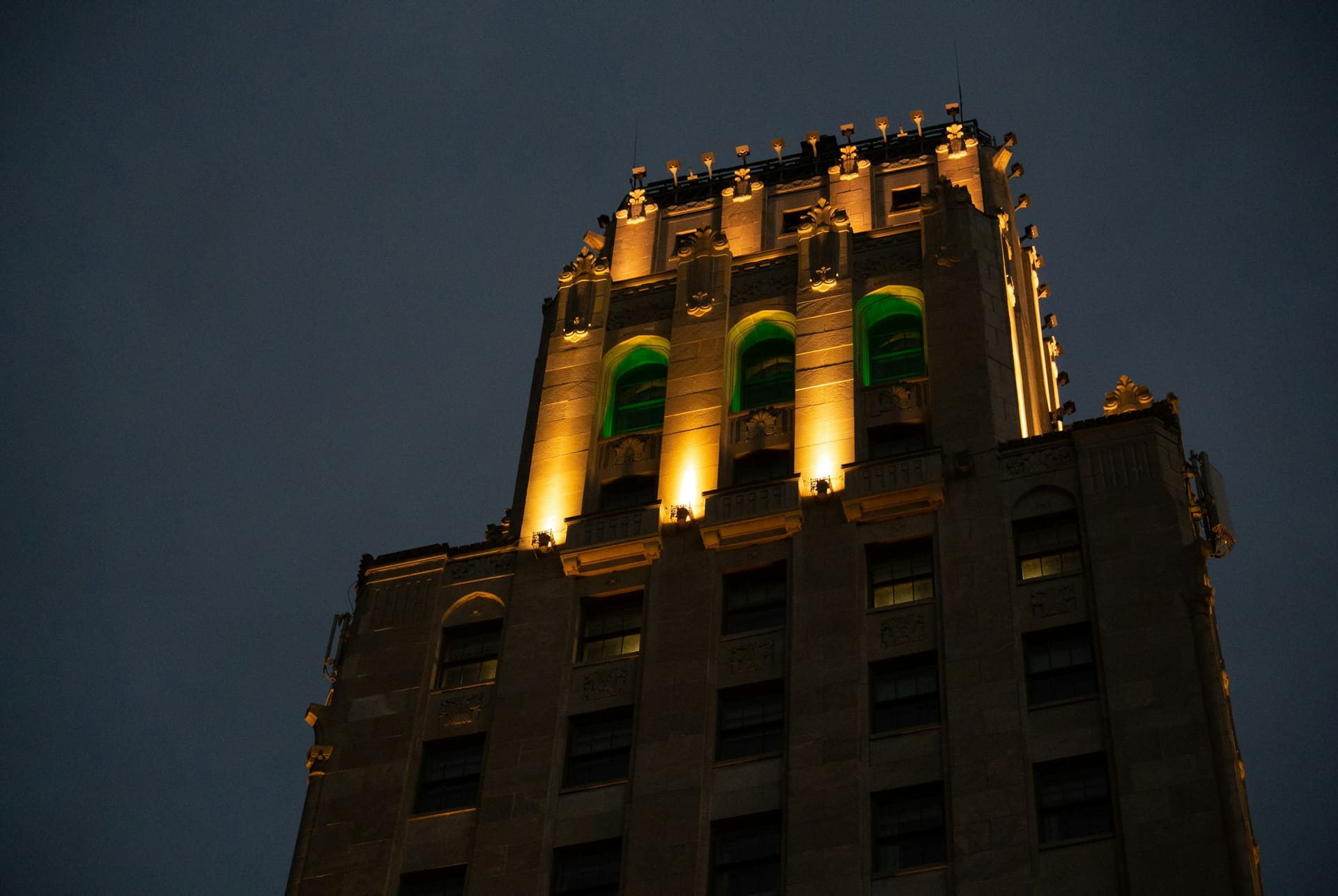
Exterior
- External lighting to entrances, elevations and access routes
- Garden, patio and landscape lighting where the installation allows
- Security lighting positions and switching arrangements
- Commercial external lighting to car parks, yards and signage feeds
Control & efficiency
- Switching arrangements, two-way and multi-point switching
- Dimming, zoning and scene-based control enquiries
- Presence, absence and daylight-linked control enquiries
- Efficient lighting upgrades and fitting replacement programmes
What shapes a lighting scheme
Four decisions that come before fittings
Choosing fittings first is the most common way a lighting project becomes more disruptive than it needed to be.
- D1
Space use
What happens in the space, when, and by whom — the starting point for any lighting decision.
- D2
Existing circuits
What the lighting circuits currently serve and how they are switched determines what is practical without rewiring.
- D3
Fitting compatibility
Whether chosen fittings work with the intended control method, and with each other, before anything is ordered.
- D4
Access
Ceiling construction, voids, heights and what can be reached without disproportionate making-good.
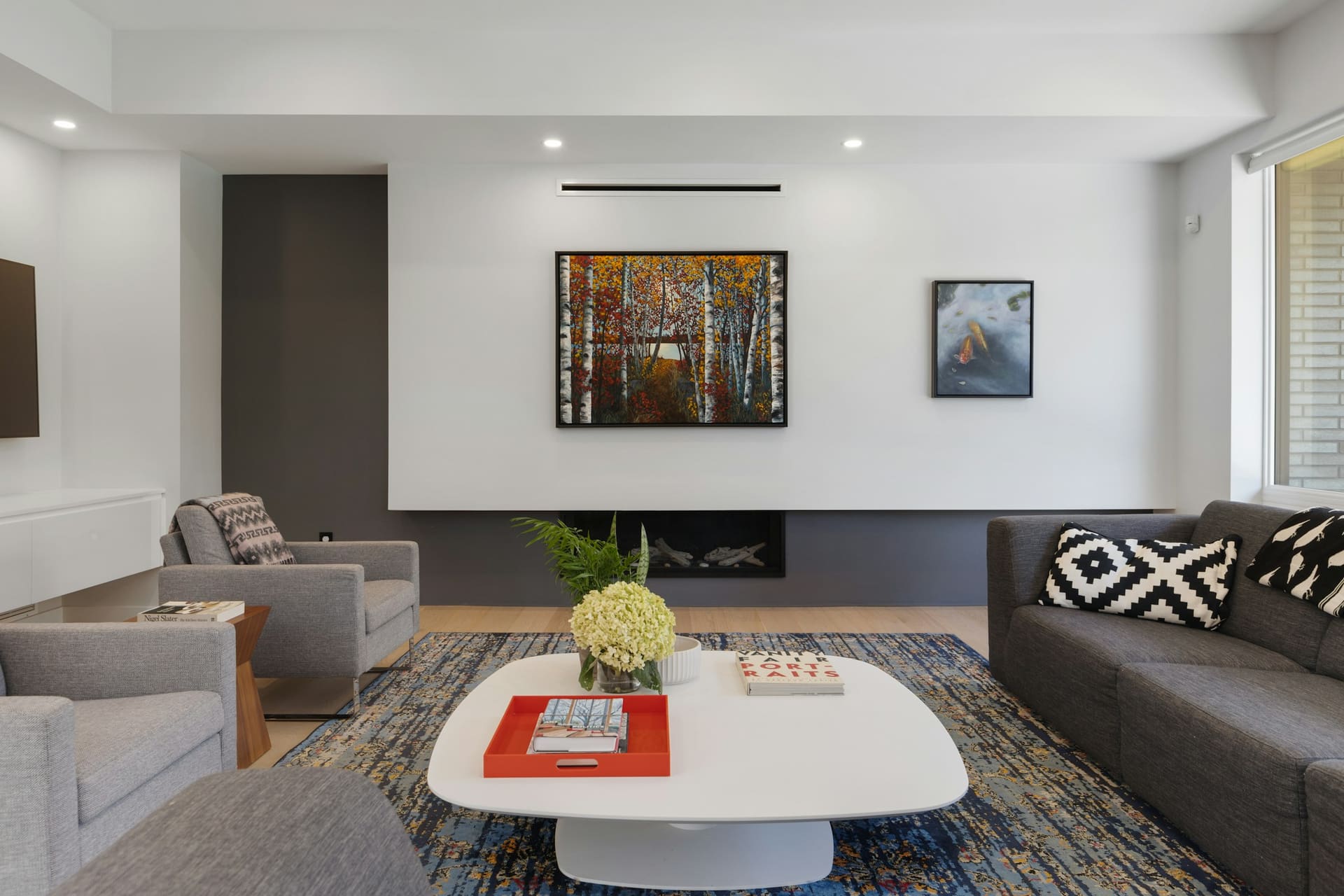
Residential lighting
Lighting that suits how the home is actually used
Domestic lighting works best when it reflects how rooms are used across the day rather than lighting everything to a single level. That usually means a combination of general, task and accent lighting, controlled in a way that is intuitive to use.
Whether that is achievable without significant disruption depends on the existing lighting circuits, the ceiling construction and the access available.
Retail lighting
Lighting as part of commercial presentation
Retail lighting has a commercial job to do. Display lighting, shopfront lighting and general levels all affect how a space and its products read to customers.
Changes are planned around trading hours, the existing lighting circuits and control arrangement, and the practicality of accessing fittings at height while the unit remains in use.

Electrical enquiry
Planning lighting work?
Tell us about the space, how it is used, the light levels you are aiming for and any fittings or controls already chosen.