
Future-ready electrical planning
Planning the installation around what comes next
This is not a charge-point sales page. It is about treating an electrical installation as infrastructure — leaving capacity, routes and provision for what the property will be asked to do later.
- EV readiness
- Capacity
- Smart controls
- Efficient lighting
- Planning
What readiness covers
Nine strands of future-ready planning
Readiness is cheapest while work is already open. Once walls, floors and ceilings are closed, the same provision becomes a project of its own.
- EV-01
EV charger readiness
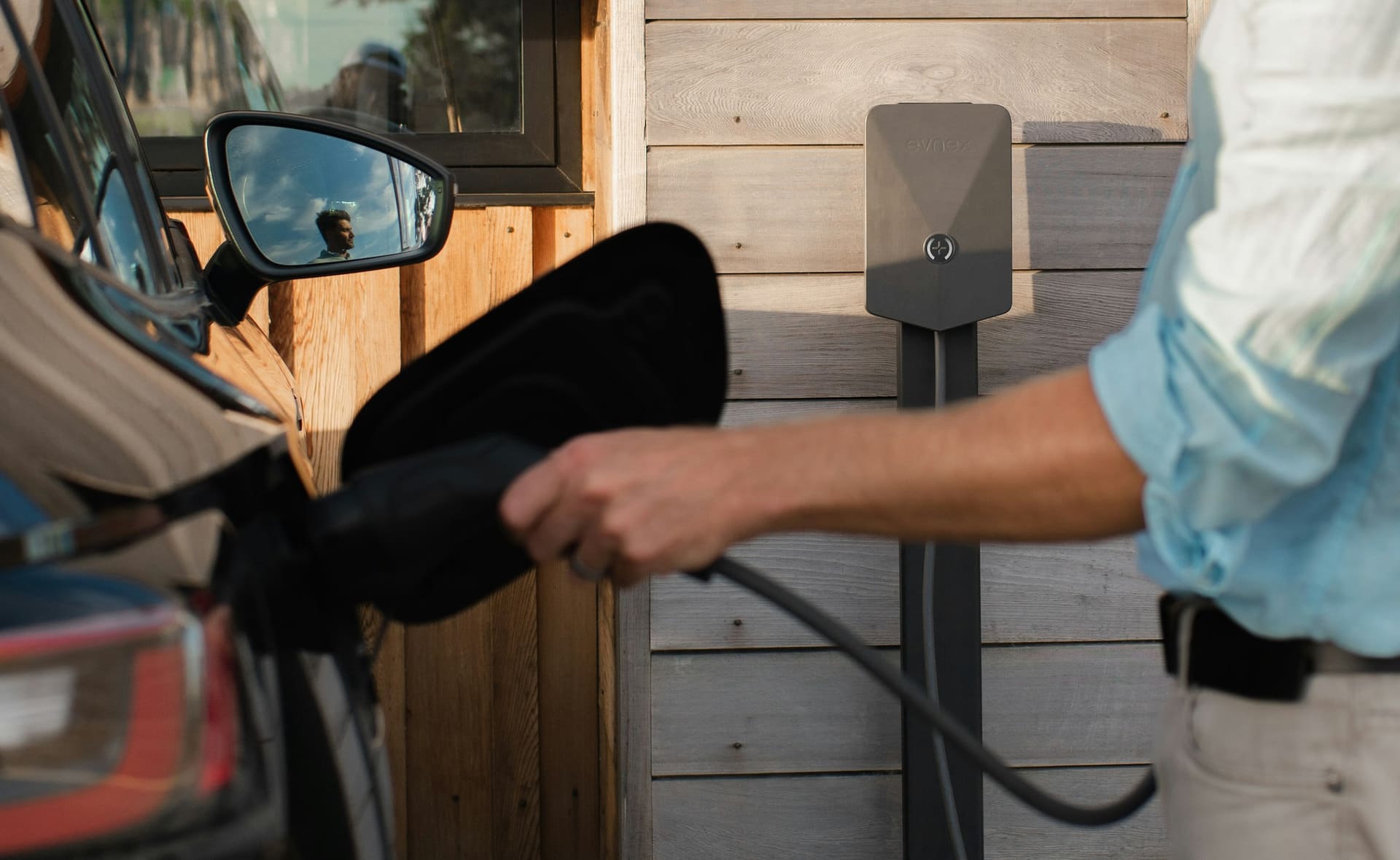
Whether a property is positioned for a charge point: available capacity, a viable route, a sensible position and what would still need confirming.
- EV-02
Circuit capacity
What the distribution arrangement can currently accommodate, and what an additional dedicated circuit would require.
- EV-03
Future loads
Electric heating, cooking, showers, workshop equipment and other loads that change what the installation needs to support.
- EV-04
Smart controls
Lighting and power control enquiries, including switching arrangements and control positions that support later changes.
- EV-05
Efficient lighting
Fitting and control changes considered around light levels, space use, compatibility and existing lighting circuits.
- EV-06
Planned appliance loads
Equipment already decided on but not yet installed, so provision can be made while the work is open.
- EV-07
Business expansion
Additional workstations, plant, machinery or trading changes that commercial premises expect in the coming years.
- EV-08
Home upgrades
Extensions, loft conversions, garden rooms and outbuildings that will eventually need supplies of their own.
- EV-09
Distribution requirements
Whether the distribution arrangement leaves room for what is expected, and what would need to change if it does not.
EV charging
What an EV charging enquiry actually depends on
EV charging installation requirements may include property-specific electrical assessment, equipment compatibility, supply capacity, network requirements, installation standards, and potentially third-party approvals or notifications.
Because of that, an EV enquiry is treated as an assessment question rather than a product question. What is possible at a specific property, and on what terms, is established through that assessment.

Confirmations
Four things that must be confirmed for the property
None of these can be answered generically. Each is specific to the installation in question.
- X1
Property-specific assessment
The installation, distribution arrangement, routes and position all need reviewing at the property itself.
- X2
Equipment compatibility
Charge point and control equipment vary considerably in their electrical and installation requirements.
- X3
Supply capacity
What the incoming supply and existing demand allow is a question about the property, not a general answer.
- X4
Third-party requirements
Network, landlord, building control, managing agent or other approvals and notifications may apply.
Future-ready electrical infrastructure
Planning for what the property will be asked to do next
“Energy Solutions” means treating an installation as infrastructure with a future — not selling equipment. Future-readiness is a planning discipline, applied at the point the work is scoped.
- FR-1
EV charger readiness
Whether the property is positioned for a charge point later: available capacity, a viable route, a sensible position and what would still need confirming.
- FR-2
Future circuit planning
Leaving ways, routes and capacity for circuits that are likely rather than certain, so later work is an addition instead of a rebuild.
- FR-3
Property load considerations
What the installation is already being asked to do, and how planned changes sit alongside existing demand.
- FR-4
Smart controls
Lighting and power control enquiries, including switching arrangements and control positions that support later changes.
- FR-5
Energy-efficient lighting
Fitting and control changes considered around light levels, space use, compatibility and the existing lighting circuits.
- FR-6
Future appliances
Electric heating, cooking, showers, garden equipment and other loads that change what the installation needs to support.
- FR-7
Infrastructure planning
Treating containment, routes and distribution as long-lived infrastructure rather than as one-off work.
- FR-8
Business growth requirements
Additional workstations, equipment, plant or trading changes that commercial premises expect within the next few years.
Smart controls & efficiency
Control that supports change rather than resisting it
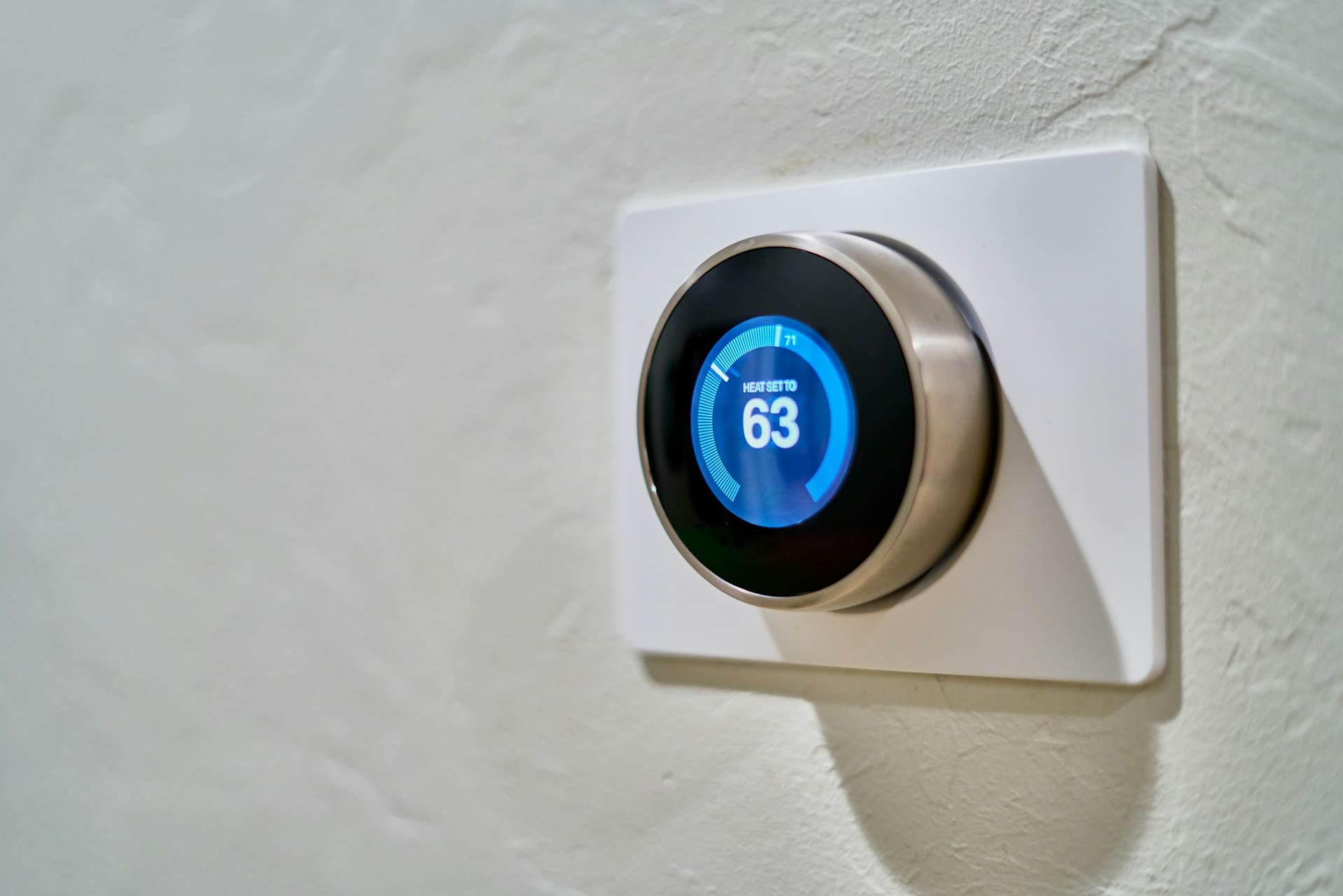
Control arrangements age faster than wiring. Planning switching, zoning and control positions with future change in mind keeps later upgrades as adjustments rather than rewires.
Compatibility between fittings, control equipment and the existing circuits is reviewed before anything is specified, because most control problems originate there.
Electrical enquiry
Planning for future electrical requirements?
Tell us about the property, what you expect to add later, and whether EV charging, additional equipment or business growth is part of the plan.